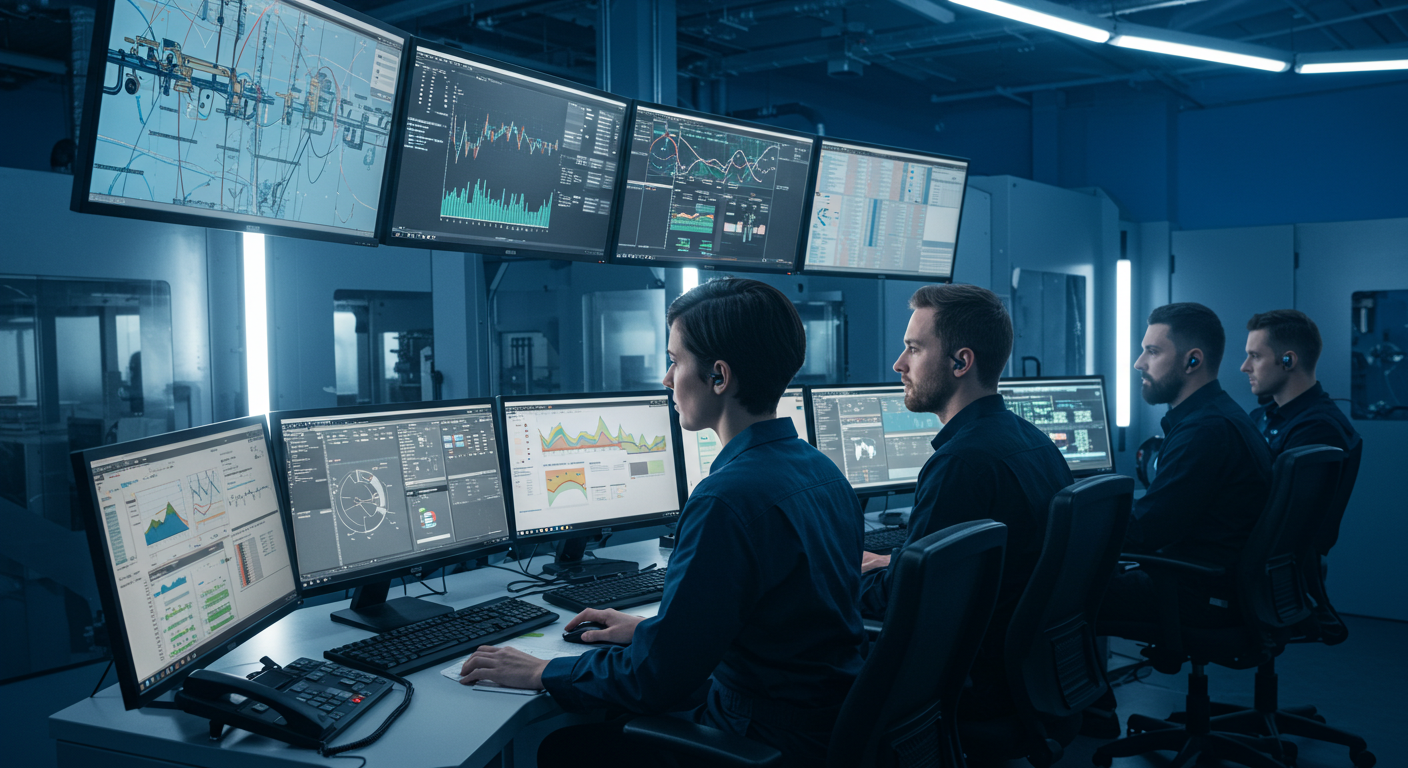
From high above the city streets—or deep within a municipal operations bunker—a different kind of conductor guides the daily symphony of urban life. In traffic management centers, operators don’t wield batons; they manipulate signal timings, variable message signs, and camera feeds to keep the flow of vehicles, pedestrians, and transit moving as smoothly as possible. The city’s arteries are monitored in real time: congestion building on a major highway, an accident blocking a key intersection, a parade rerouting downtown traffic. Each event sends ripples through the network, and the control room’s task is to absorb those shocks before they cascade into gridlock. This is not reactive chaos management; it is proactive orchestration. Using data from inductive loops, radar sensors, GPS-enabled buses, and even anonymized mobile phone signals, the system builds a living map of movement. Algorithms suggest optimal signal phasing to clear a backlog, but the human operator decides—factoring in school zones, emergency vehicle routes, or a sudden surge from a stadium emptying. The visual interface is critical: color-coded road segments show speed and volume, camera feeds provide ground truth, and predictive models forecast how current conditions will evolve over the next hour. The goal is never perfection—urban mobility is inherently dynamic—but resilience. Can the system absorb a disruption and return to flow quickly? Can it prioritize a fire truck’s path without paralyzing surrounding blocks? Can it inform drivers of delays before they enter a jammed corridor? The answers lie in the integration of data, the responsiveness of the interface, and the experience of the team. What the public experiences as “traffic” is, from this vantage point, a complex, real-time puzzle of physics, behavior, and infrastructure. And in the quiet hum of the control room, decisions made in seconds determine whether the city breathes freely—or chokes on its own momentum.