
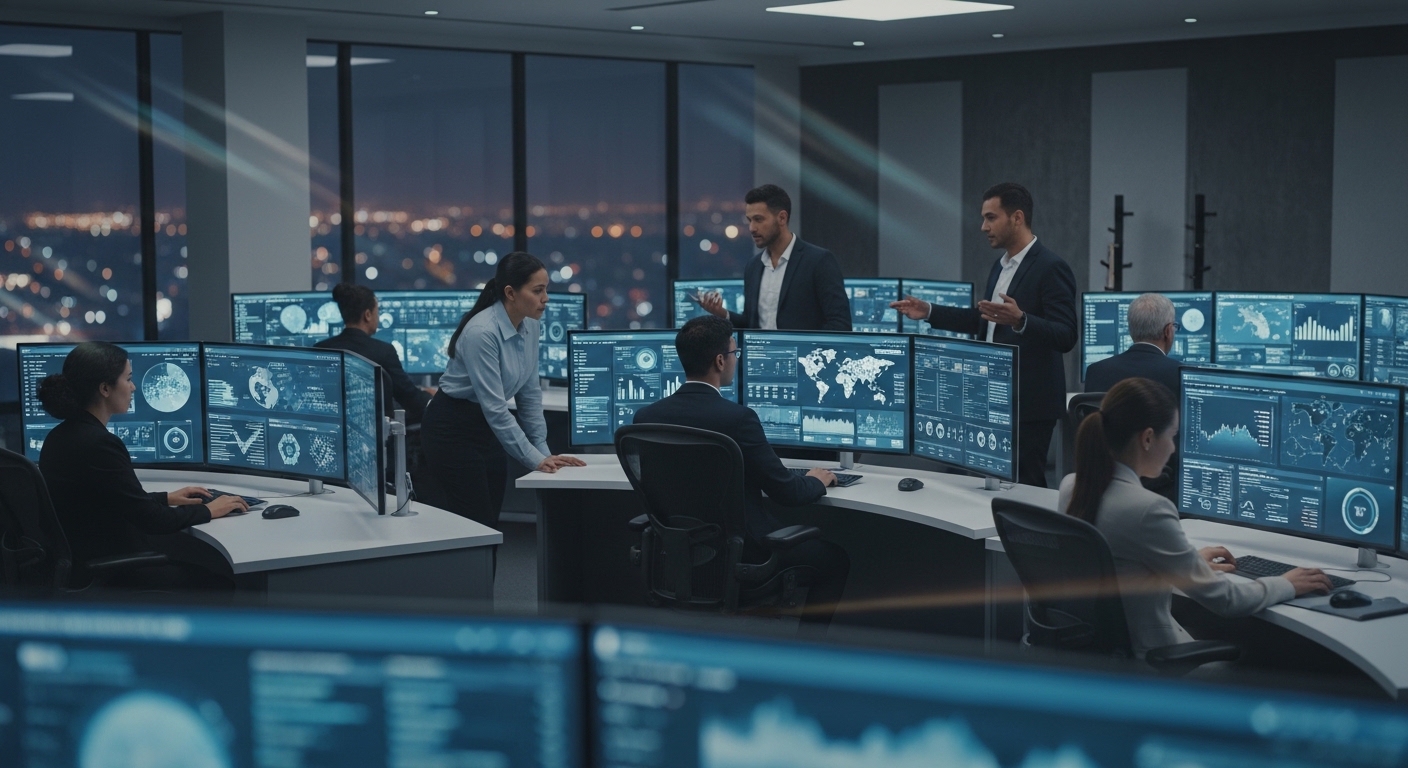
Design plays a fundamental role in shaping how users interact with products, environments, and digital systems. In control room contexts, thoughtful design goes beyond aesthetics to focus on usability, clarity, and efficiency. A well designed interface helps operators process information quickly, reduce cognitive load, and respond to situations with confidence. Every element, from layout to color choice, contributes to improving situational awareness and operational performance.
Effective design prioritizes functionality and user experience. In high pressure environments, users need intuitive systems that present data in a clear and organized manner. Visual hierarchy, spacing, and consistency help guide attention to the most critical information. By minimizing clutter and emphasizing key metrics, design enables faster decision making and reduces the risk of errors.
Ergonomic considerations are also essential in control room design. Workstations, screen positioning, lighting, and seating must be arranged to support comfort during long working hours. A human centered approach ensures that operators can maintain focus and productivity without unnecessary strain or fatigue. This contributes to overall efficiency and well being.
In addition, modern design integrates flexibility and scalability. As systems evolve, interfaces and environments must adapt to new technologies and increasing data demands. Modular layouts and adaptable design systems allow organizations to scale operations without compromising usability.
Ultimately, design is not just about appearance but about creating meaningful interactions between users and systems. By combining aesthetics with functionality, organizations can build environments that enhance performance, support decision making, and ensure smooth workflows across all operations. Continuous user testing and iterative feedback loops further refine design outcomes by identifying usability issues early and ensuring alignment with real operational needs. Collaboration between designers, engineers, and operators creates solutions that are practical, efficient, and adaptable to changing requirements while maintaining consistency, accessibility, and long term usability across systems. Design thinking drives continuous improvement