

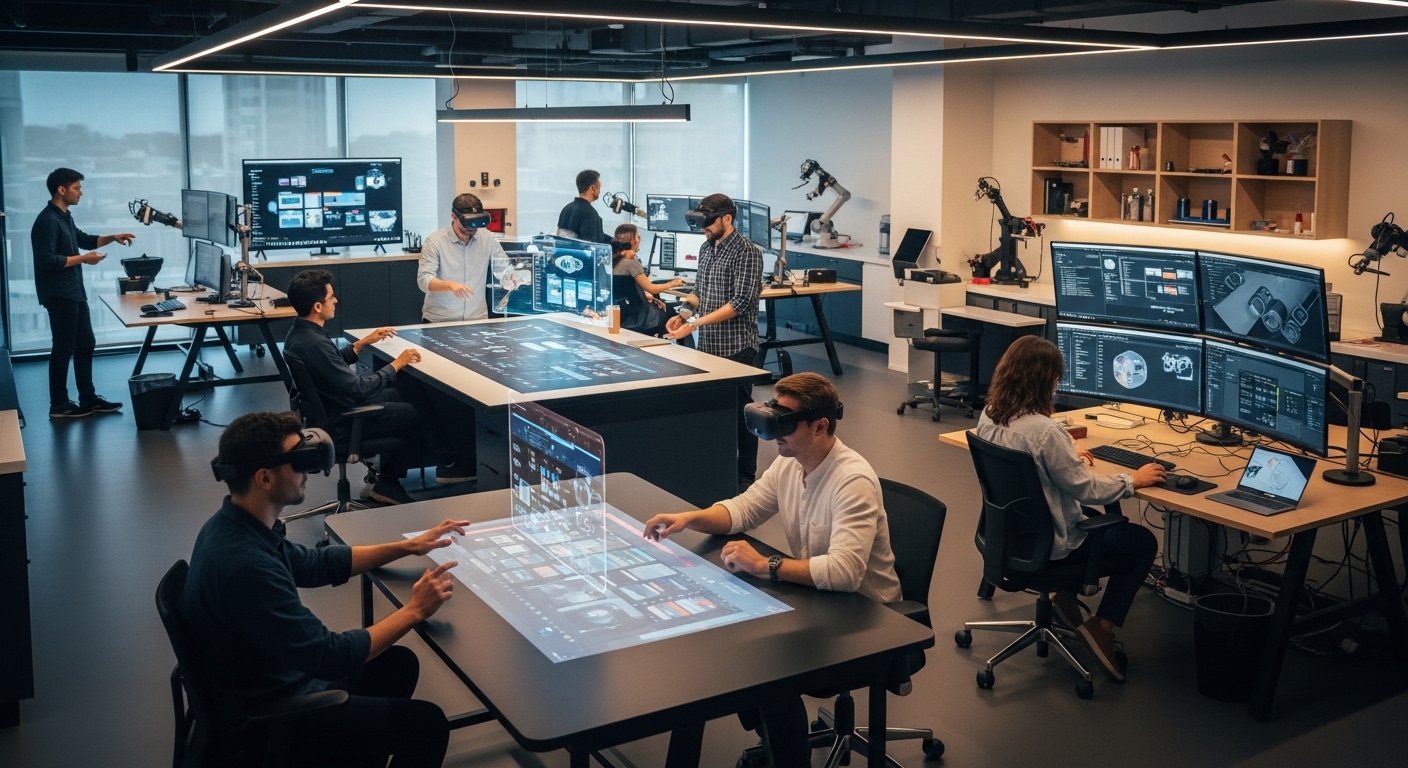
Design extends far beyond visual appeal; it represents the strategic intersection of creativity, functionality, and business vision. In modern enterprises, effective design shapes user perception, strengthens brand identity, and directly influences performance outcomes. When IT consultants and design professionals collaborate, they create integrated solutions that are not only visually compelling but also intuitive, scalable, and aligned with organizational objectives.
The design process begins with clarity. Understanding user needs, behavioral patterns, and business priorities forms the foundation of meaningful solutions. Research methods such as stakeholder interviews, persona development, and user journey mapping reveal how individuals interact with products and services. By aligning these insights with strategic goals, designers ensure that each interface element, workflow, and visual component serves a defined purpose.
Innovation drives competitive relevance. Advanced tools—including AI-assisted prototyping, immersive visualization technologies, and interactive mockups—enable rapid experimentation and iterative refinement. This agile approach shortens development cycles, improves usability, and ensures adaptability to evolving market expectations. Design becomes a dynamic process rather than a static deliverable.
Cross-functional collaboration sustains coherence and efficiency. Designers coordinate with developers, marketers, and leadership teams to maintain consistency across digital and physical touchpoints. Design systems and governance frameworks standardize components, optimize workflows, and protect brand integrity while enabling creative flexibility. Accessibility and inclusivity remain central to delivering equitable user experiences.
Design thinking reinforces a problem-solving mindset grounded in empathy and measurable impact. Metrics such as engagement rates, conversion performance, and user satisfaction validate design effectiveness and connect creativity to tangible business value.
Ultimately, innovative design transforms organizations. When creativity, technology, and strategy converge, design becomes a catalyst for growth, differentiation, and long-term resilience in an increasingly digital and experience-driven economy.