
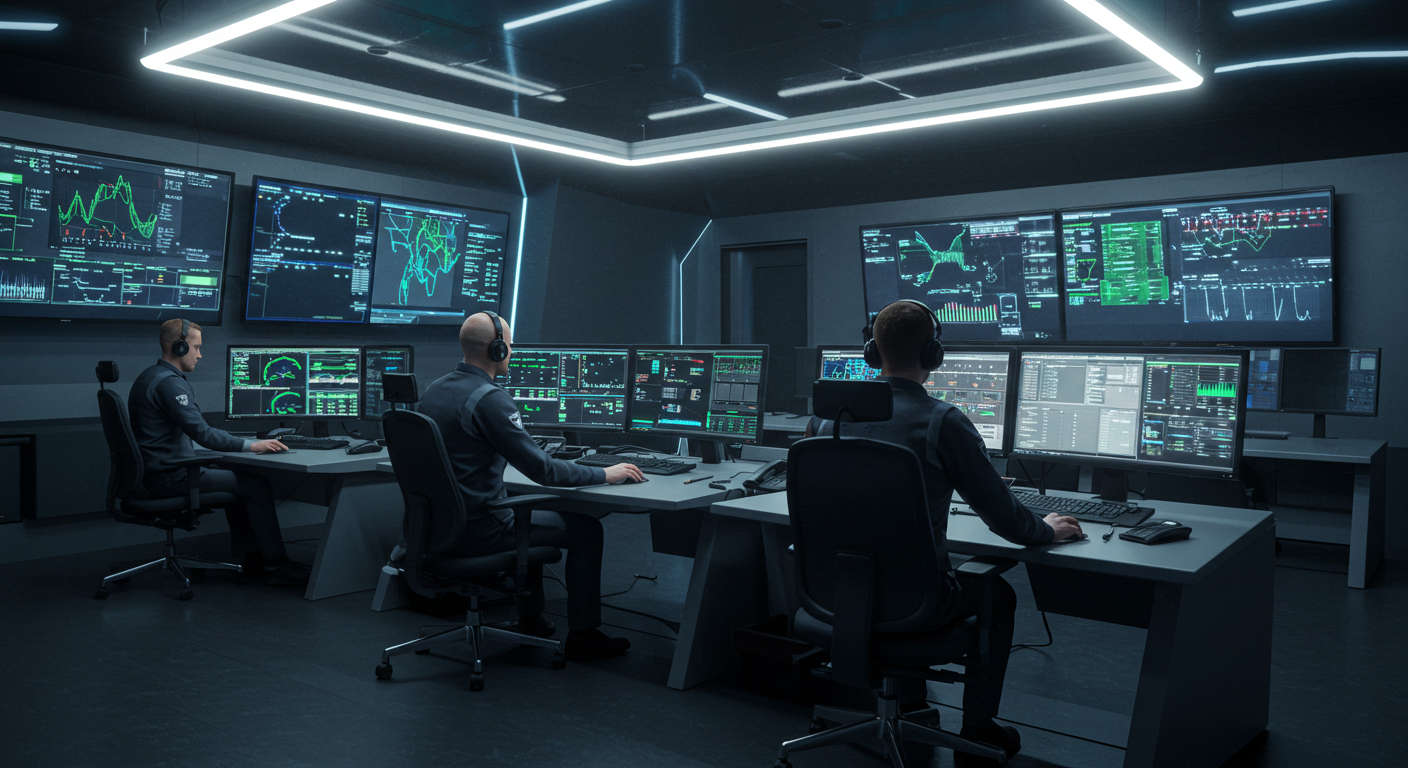
The Language of Light: How Visual Design Shapes Decision-Making in Critical Environments

In mission-critical rooms where every second carries weight, the way information is presented visually is not a matter of preference—it is a determinant of performance. The human eye can process an image in 13 milliseconds, but comprehension depends entirely on how that image is structured. This is why the visual language of modern control rooms […]
Read more

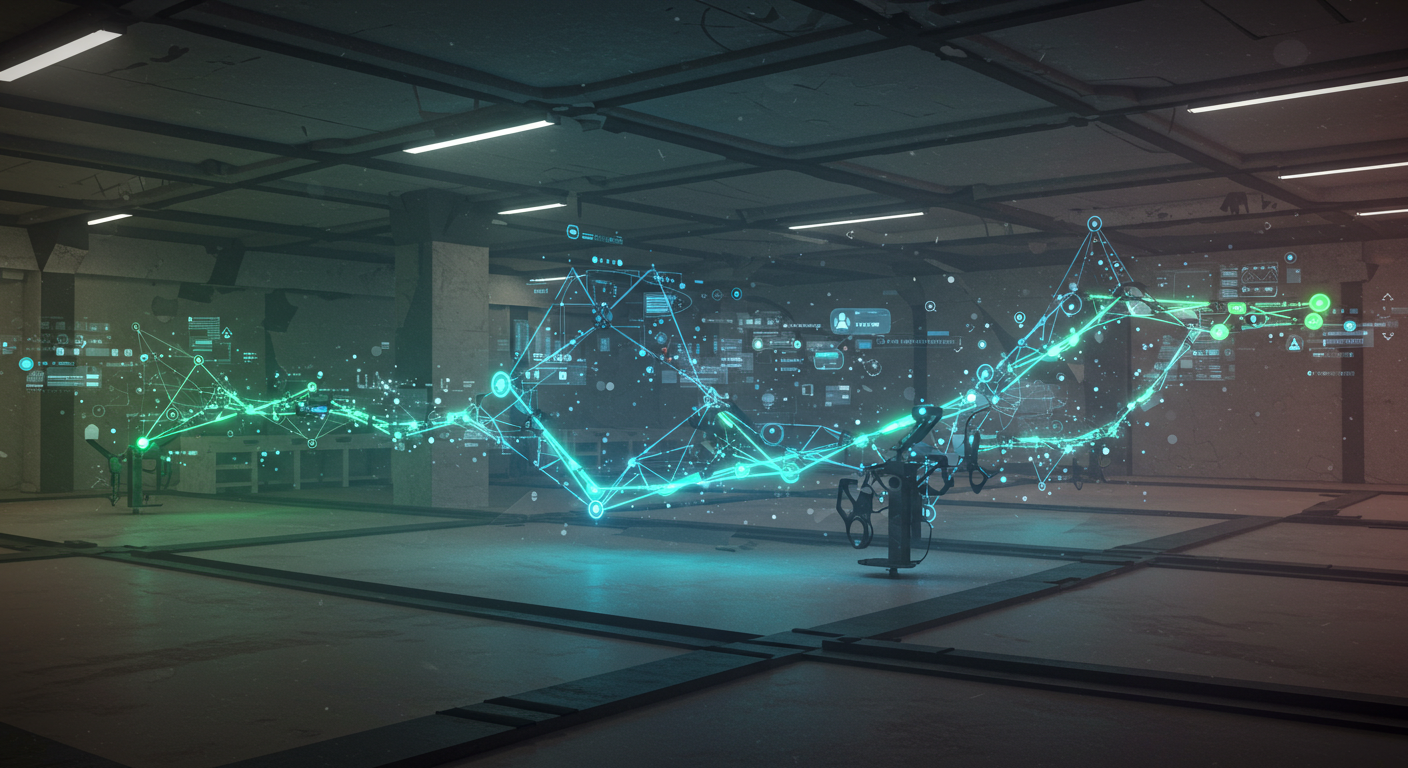
The Architecture of Attention: Designing Spaces Where Focus Never Falters

In the heart of every high-stakes operation—whether monitoring a national power grid, tracking global financial flows, or coordinating emergency response—lies a space engineered not just for function, but for sustained human attention. These are not ordinary rooms. They are carefully calibrated environments where every element, from the angle of a monitor to the color of […]

Read more

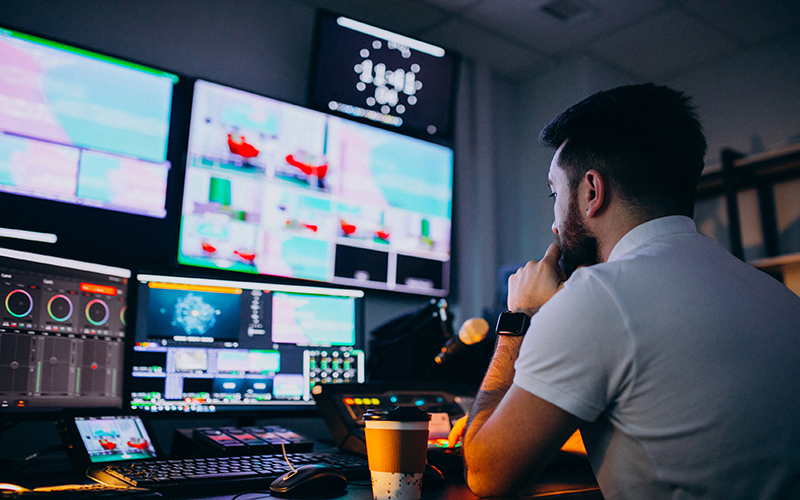
The Rhythm of Vigilance: Sustaining Human Performance in 24/7 Operations

Operating a control room is not a sprint; it is an ultra-endurance event conducted in shifts that stretch across days, weeks, and years. Unlike environments where peaks of activity are followed by rest, mission-critical centers demand unwavering vigilance around the clock—through holidays, weekends, and the quietest hours of the night. Maintaining human performance under such […]

Read more