

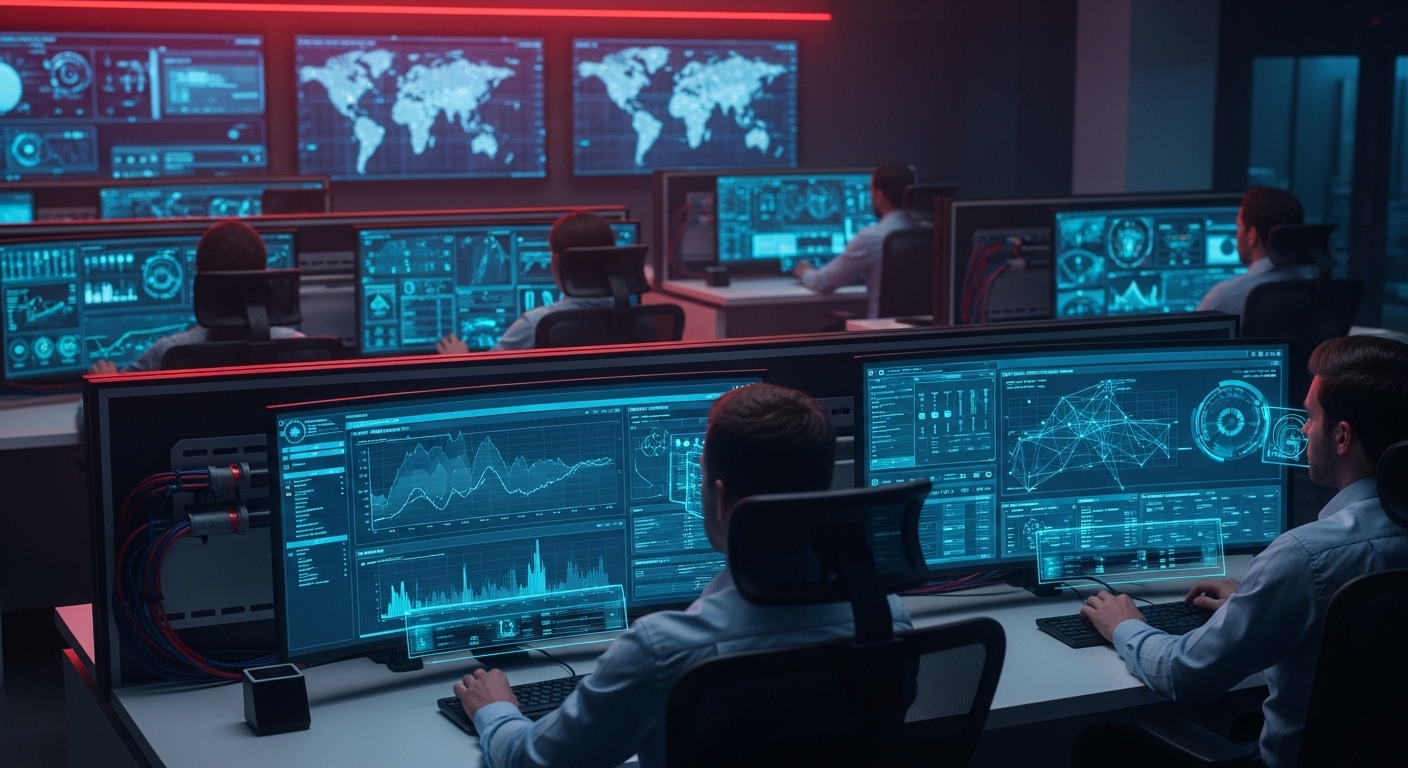
Cybersecurity has become a fundamental pillar of modern control room environments, where continuous connectivity and data exchange demand strong protective measures. As digital infrastructures expand, organizations face increasingly sophisticated threats that target networks, applications, and critical systems. Without a comprehensive security strategy, even a minor vulnerability can be exploited, leading to data breaches, operational disruptions, and financial losses.
A layered defense approach is essential to ensure resilience across all components of the control room. This approach combines multiple security technologies such as firewalls, intrusion prevention systems, endpoint protection, and continuous monitoring tools. Each layer contributes to detecting, blocking, and responding to potential threats, reducing the likelihood of successful attacks and minimizing their impact.
Real time monitoring and threat intelligence play a vital role in identifying suspicious behavior before it escalates into serious incidents. Security teams rely on advanced analytics, log analysis, and automated alerts to gain visibility into system activities. By correlating events and recognizing anomalies, organizations can respond quickly and effectively to mitigate risks.
In addition, employee awareness and training are critical elements of a strong cybersecurity posture. Human error remains one of the leading causes of security incidents, making it important to educate staff on best practices, phishing detection, and secure access procedures. Regular training ensures that individuals remain vigilant and capable of identifying potential threats.
Ultimately, integrating cybersecurity into control room operations ensures continuity, stability, and trust in critical systems. Organizations that adopt proactive strategies, invest in modern security technologies, and maintain consistent monitoring are better equipped to handle evolving threats. By aligning policies, processes, and technologies, control rooms can operate securely while maintaining high performance and operational efficiency across all functions. Continuous improvement, regular audits, and adaptive security frameworks further strengthen defenses, ensuring long term resilience, compliance with standards, and readiness for emerging cyber challenges globally